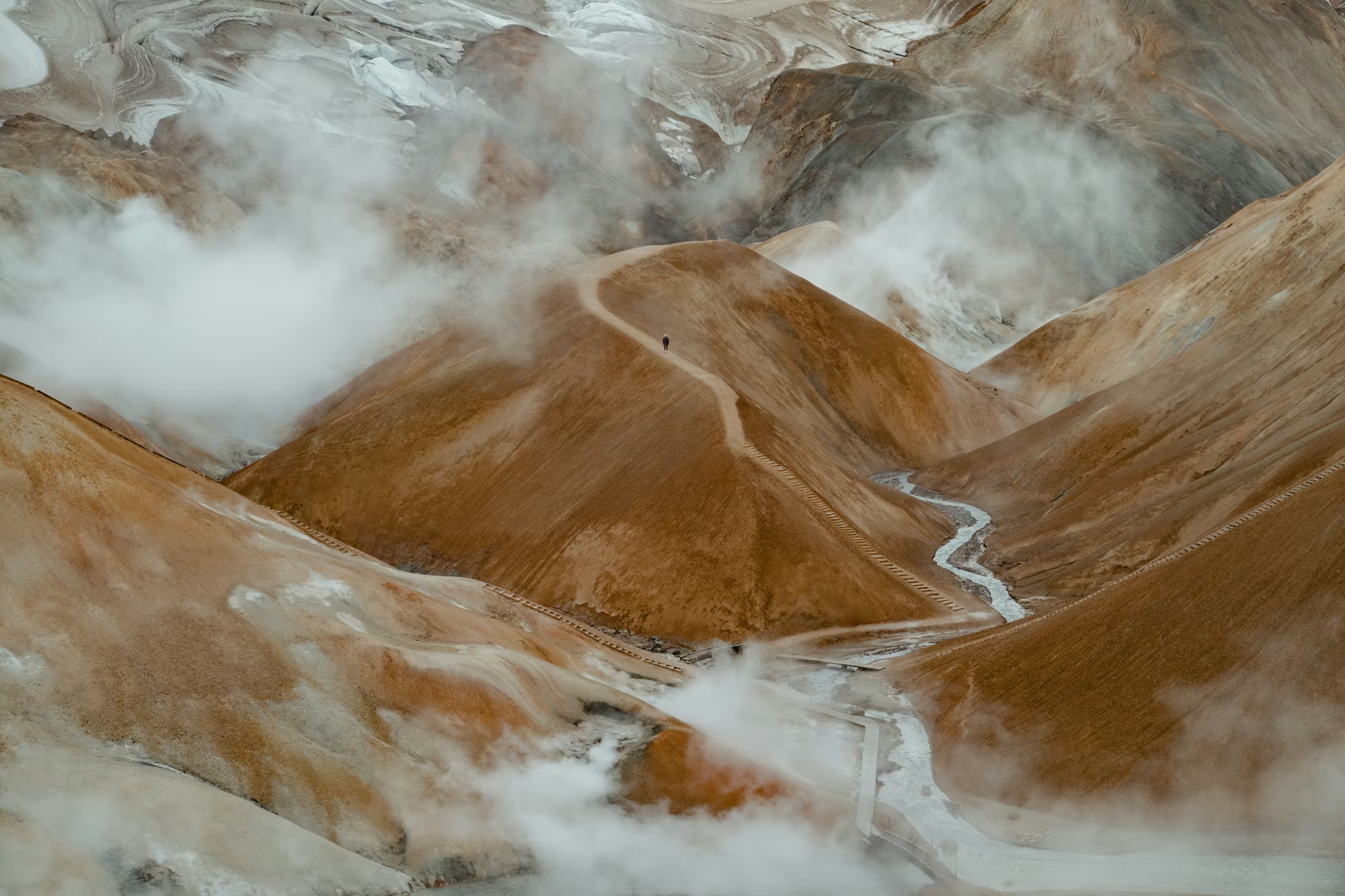
The Joy of Travel: How Different Styles Shape Our Experiences

The Joy of Travel: How Different Styles Shape Our Experiences

Travel is one of life’s greatest joys, offering opportunities to explore new landscapes, immerse in different cultures, and create unforgettable memories. Each traveler has their own preferences, and these often dictate the type of travel experiences they seek. This article delves into various travel styles, from leisure to adventure, and how they shape our understanding of the world.

Leisure travel remains one of the most popular choices for many, providing a chance to escape the hustle and bustle of daily life. It’s all about relaxation, enjoyment, and recharging one’s batteries. Imagine a picturesque beach resort where you can bask in the sun, enjoy refreshing cocktails, and relish the sound of waves lapping at the shore. These destinations, such as the Maldives or the Greek islands, offer the perfect backdrop for unwinding and enjoying some well-deserved time off.

In addition to beach resorts, cultural cities like Barcelona, Rome, or Kyoto provide a different kind of leisure experience. Here, travelers can indulge in art, history, and gastronomy, exploring world-renowned museums, historical landmarks, and local eateries. This type of leisure travel allows visitors to immerse themselves in the local lifestyle, turning a simple vacation into a rich cultural experience.

Nature retreats are another appealing option for leisure travelers. Destinations such as the Canadian Rockies or the Swiss Alps not only offer stunning landscapes but also a variety of outdoor activities like hiking, fishing, or simply enjoying the serenity of nature. For many, these retreats provide a much-needed escape from the chaos of city life, allowing them to reconnect with nature and enjoy its beauty.

On the other hand, adventure travel appeals to those with a thirst for excitement and exploration. This type of travel often includes activities that involve physical challenges, such as hiking, rock climbing, or scuba diving. For adventure seekers, destinations like Patagonia or New Zealand offer countless opportunities to push their limits and discover breathtaking natural wonders.

In Africa, wildlife safaris provide an exhilarating way to experience nature and its inhabitants. Travelers can embark on guided tours through national parks, where they might encounter elephants, lions, and other incredible wildlife in their natural habitats. These adventures not only satisfy the desire for thrill but also foster a deep appreciation for the environment and its preservation.

Cultural travel serves as another enriching way to experience the world. This type of travel focuses on immersing oneself in the traditions, history, and lifestyle of different regions. It often involves visiting museums, attending festivals, and engaging with local communities. Cities like Istanbul, Cairo, and Mexico City offer a wealth of historical sites and vibrant cultures to explore, inviting travelers to learn from and connect with the locals.

Through cultural travel, individuals gain insights that go beyond typical tourist experiences. Engaging with locals often leads to deeper understanding and appreciation of their customs, traditions, and ways of life. This form of travel enriches the soul and fosters a sense of global citizenship, encouraging travelers to embrace diversity and connect with the world on a more profound level.

Ecotourism and sustainable travel have emerged as vital aspects of modern travel, focusing on minimizing environmental impact while promoting conservation. Many travelers today seek out experiences that allow them to enjoy nature responsibly and contribute positively to local ecosystems. Destinations such as Costa Rica and the Galápagos Islands exemplify ecotourism, offering visitors the chance to participate in conservation efforts while exploring stunning landscapes and diverse wildlife.

Ecotourism not only emphasizes the importance of protecting our planet but also highlights the need for sustainable practices in tourism. By choosing eco-friendly accommodations, supporting local businesses, and participating in conservation activities, travelers can ensure their adventures contribute to the preservation of the environment and local cultures.

For those who enjoy a more laid-back travel style, sustainable travel promotes ethical tourism practices that prioritize community engagement and social responsibility. This approach encourages travelers to make mindful choices that support local economies and reduce their carbon footprint. Opting for locally-owned accommodations, dining at farm-to-table restaurants, and participating in community-led tours are all ways to embrace sustainable travel.

The rise of backpacking has also revolutionized the travel landscape, allowing adventurous individuals to explore the world on a budget. Backpacking typically involves minimal luggage, staying in hostels, and prioritizing experiences over luxury. This travel style encourages spontaneity and flexibility, appealing to those who wish to immerse themselves in new environments while meeting fellow travelers.

Destinations like Southeast Asia, Eastern Europe, and Central America are popular among backpackers, offering vibrant communities and affordable options. Backpacking fosters a sense of community, as travelers often share stories and experiences, creating lasting friendships and connections. This travel style can be both liberating and enriching, allowing individuals to discover hidden gems off the beaten path.

For those seeking luxury, high-end travel offers unparalleled experiences and indulgence. Luxury travel focuses on comfort, exclusivity, and personalized services, providing travelers with unique opportunities to pamper themselves. Destinations such as Dubai, the French Riviera, or the Maldives offer lavish accommodations, gourmet dining, and exclusive activities, creating unforgettable experiences for discerning travelers.

Luxury travel can be the perfect way to celebrate special occasions, whether it’s a honeymoon, milestone birthday, or simply a well-deserved treat. The emphasis on premium services and unique experiences allows travelers to indulge in the finer things in life, making their journeys truly memorable.

Solo travel has gained popularity in recent years, as more individuals embrace the idea of exploring the world independently. Traveling alone offers a unique opportunity for self-discovery and personal growth. Solo travelers often find it easier to connect with locals and other travelers, creating meaningful interactions that enhance their experiences.

Destinations that are particularly welcoming to solo travelers include cities like Tokyo, Barcelona, and New York, where public transportation is accessible and social activities abound. Joining group tours, attending workshops, or simply enjoying a meal at a local café are all great ways for solo travelers to meet new people and create lasting memories.

Group travel appeals to those who prefer to explore with family, friends, or organized tours. This travel style fosters a sense of community and shared experiences, making it ideal for individuals who enjoy companionship while exploring new places. Group tours can simplify travel planning, providing structured itineraries and opportunities to connect with like-minded travelers.

Traveling in a group also enhances safety and convenience, particularly for families or those venturing into unfamiliar territories. Whether it’s a family reunion trip, a friends’ getaway, or a guided cultural tour, group travel allows for shared adventures and memorable moments.

Finally, business travel is another significant aspect of the travel industry, encompassing journeys taken for work-related purposes. While often focused on professional objectives, business travel can also present opportunities for leisure exploration. Many business travelers take advantage of their time away by extending their stays to experience local attractions or engage in leisure activities.

Cities known for hosting international conferences, such as San Francisco, Singapore, or London, offer vibrant environments where business and leisure seamlessly intertwine. This type of travel can enrich both personal and professional lives, allowing individuals to broaden their horizons while achieving career goals.

In conclusion, the world of travel is diverse and ever-evolving, offering myriad experiences tailored to different preferences and interests. Whether you seek relaxation, adventure, cultural immersion, or luxury indulgence, there is a travel style that suits your desires. By understanding the unique aspects of each travel type, you can embark on a journey that not only fulfills your wanderlust but also enriches your life with unforgettable experiences. So pack your bags, and set off on your next adventure, knowing that the world awaits with countless opportunities to explore and discover.


Culinary Journeys: Exploring Global Cuisine Through Travel

Culinary Journeys: Exploring Global Cuisine Through Travel

Traveling opens up a world of culinary experiences that go beyond mere sustenance; it connects us to cultures, traditions, and histories through the universal language of food. Each destination offers unique flavors, ingredients, and cooking techniques that reflect its heritage and community. This article explores the joys of culinary travel, delving into various global cuisines, local traditions, and how these experiences can enrich our understanding of the world.

One of the most delightful ways to experience a culture is through its food, and no place exemplifies this better than Italy. Italian cuisine is renowned for its regional diversity, with each area showcasing its own specialties and cooking methods. From the rich pastas of Bologna to the fresh seafood of coastal towns like Cinque Terre, Italy invites travelers to savor its culinary offerings.

A visit to Italy isn’t complete without indulging in a cooking class, where travelers can learn to make traditional dishes from local chefs. These experiences not only provide valuable cooking skills but also create a deep appreciation for the ingredients and methods unique to Italian cuisine. Participants may find themselves kneading dough for homemade pasta or preparing authentic sauces from scratch, all while absorbing the stories behind these time-honored recipes.

Spain is another culinary destination that captivates food lovers with its vibrant flavors and rich culinary heritage. Tapas, the small plates that encourage sharing and socializing, embody the Spanish dining experience. Regions like Andalusia, Catalonia, and the Basque Country each offer distinct tapas that reflect local ingredients and culinary traditions.

Travelers can embark on a culinary journey through Spain by visiting bustling markets such as La Boqueria in Barcelona or Mercado de San Miguel in Madrid. Here, one can sample a variety of local delicacies, from jamón ibérico to fresh seafood paella. Additionally, participating in local food tours provides an opportunity to connect with artisans, farmers, and chefs, enriching the overall experience and understanding of Spanish cuisine.

In Asia, the culinary landscape is equally diverse, with each country offering a unique fusion of flavors and cooking techniques. In Thailand, for example, the balance of sweet, sour, salty, and spicy elements is at the heart of its cuisine. Street food culture thrives in cities like Bangkok, where vendors serve up aromatic dishes like pad thai, tom yum soup, and mango sticky rice.

Engaging with local chefs through cooking classes or food tours allows travelers to explore the intricacies of Thai cuisine. Many classes incorporate visits to local markets, where participants learn about fresh ingredients and traditional cooking methods. These immersive experiences not only teach valuable culinary skills but also foster a deeper connection to the culture and its people.

Japan’s culinary scene is another example of how food reflects a culture’s values and traditions. Japanese cuisine, characterized by its emphasis on seasonality and presentation, offers an extraordinary array of flavors and textures. From sushi to ramen, each dish tells a story rooted in the country’s history and geography.

Travelers can enhance their culinary journey in Japan by participating in sushi-making classes or traditional tea ceremonies. These experiences provide insights into the meticulous techniques and cultural significance behind the cuisine. Exploring local izakayas or street markets also offers a chance to taste regional specialties, such as okonomiyaki in Hiroshima or fresh seafood in Hokkaido.

Beyond the individual countries, food festivals around the world celebrate local cuisine and foster cultural exchange. Events like the World Gourmet Summit in Singapore or the Salon du Chocolat in Paris attract food enthusiasts from all corners of the globe. These festivals not only showcase culinary talents but also promote sustainability and the importance of local ingredients.

Participating in such festivals provides travelers with the opportunity to sample a variety of dishes, attend cooking demonstrations, and engage with chefs and food artisans. It’s a chance to celebrate global diversity while learning about the culinary traditions that shape our world.

Furthermore, food tourism encourages a greater understanding of sustainability and responsible sourcing practices. As travelers become more conscious of their environmental impact, many seek out experiences that highlight local, organic, and sustainable ingredients. This trend is evident in the rise of farm-to-table restaurants and eco-friendly culinary tours that prioritize ethical practices.

In places like California, the farm-to-table movement has transformed the dining landscape, with chefs emphasizing fresh, locally sourced ingredients. Visitors can explore vineyards in Napa Valley, pick their own fruits at local orchards, or dine at restaurants that showcase seasonal produce. These experiences not only promote sustainability but also deepen the appreciation for the land and its bounty.

Culinary travel also provides opportunities to engage with local communities, fostering connections that transcend cultural barriers. By dining at local establishments, participating in community-based food programs, or volunteering at farms, travelers can immerse themselves in the culture while supporting local economies. These interactions enrich the travel experience, allowing for meaningful exchanges and a deeper understanding of the host community.

As we embrace the concept of culinary travel, it becomes clear that food is more than just nourishment; it’s a gateway to exploring the richness of diverse cultures. From the bustling markets of Marrakech to the quaint bistros of Paris, each culinary experience offers a glimpse into the heart of a culture. Through food, we connect with traditions, histories, and the people who shape them.

In conclusion, culinary journeys provide a unique way to explore the world, enriching our travel experiences and deepening our understanding of diverse cultures. By immersing ourselves in local cuisines, participating in cooking classes, and engaging with communities, we can savor the flavors of the world while fostering connections that transcend borders. As we embark on our culinary adventures, let us celebrate the beauty of global cuisine and the stories it tells, ensuring that our travels are not just about destinations but about the rich tapestry of human experience that food represents.

Choosing the Right Hotel: A Comprehensive Traveler’s Guide

Choosing the Right Hotel: A Comprehensive Traveler’s Guide

When planning a trip, one of the most significant decisions you will make is choosing the right hotel. With so many options available, it can be overwhelming to determine which type of accommodation best suits your needs. This guide aims to provide a thorough overview of various hotel types, including their features and benefits, to help you make an informed choice that enhances your travel experience.

Luxury Hotels: Where Elegance Meets Comfort
Luxury hotels stand as the pinnacle of opulence and comfort in the hospitality industry. These high-end establishments are designed to cater to travelers seeking the utmost in quality and service. From lavish suites adorned with exquisite furnishings to exceptional dining options crafted by renowned chefs, luxury hotels offer an array of premium amenities that promise an unforgettable stay.

Renowned names such as The Ritz-Carlton, Four Seasons, and St. Regis exemplify the luxury hotel experience. Guests can expect personalized concierge services, world-class spa treatments, and fine dining that rivals the best restaurants in the world. The attention to detail in these hotels creates a serene and indulgent atmosphere, allowing visitors to unwind and escape from everyday life. Picture yourself enjoying a sunset cocktail on a private balcony, pampered by attentive staff, and relishing every moment of your stay.

Boutique Hotels: A Touch of Personality
If you’re looking for a unique experience that reflects local culture, boutique hotels are an excellent choice. These smaller, often independently owned properties are known for their distinctive styles and personalized services. Boutique hotels prioritize creating an intimate atmosphere, allowing guests to feel more connected to the place they are visiting.

Examples like Kimpton Hotels, Ace Hotel, and W Hotels showcase the charm of boutique accommodations. Each hotel often features a unique theme, eclectic decor, and a strong connection to the surrounding community. The smaller size of boutique hotels enables staff to offer attentive and personalized service, ensuring guests feel special during their stay. By opting for a boutique hotel, you often gain insights into local attractions and hidden gems that larger chains might overlook, enriching your travel experience.

Resorts: The All-in-One Experience
For travelers seeking relaxation and recreation, resorts are the perfect destination. Typically located in picturesque settings, resorts offer a wide range of amenities and activities designed to cater to leisure travelers. From swimming pools and pristine beaches to golf courses and spas, resorts create a complete vacation experience.

Prominent examples like Atlantis Paradise Island and The Ritz-Carlton, Lake Tahoe provide guests with numerous options for relaxation and entertainment. At a resort, you can spend your days lounging by the pool, indulging in spa treatments, or enjoying a variety of recreational activities. Many resorts also offer dining options, evening entertainment, and family-friendly amenities, making them ideal for travelers of all ages. This all-inclusive experience allows you to relax without worrying about logistics, letting you focus on creating memorable moments with family and friends.

Business Hotels: Designed for Professionals
For those traveling for work, selecting a business hotel is essential. These establishments cater specifically to the needs of business travelers, offering amenities such as meeting rooms, high-speed internet, and business centers. Many business hotels are strategically located near corporate offices or convention centers, making them convenient for professionals on the go.

Brands like Hilton, Marriott, and Hyatt Regency are popular among business travelers for their focus on efficiency and comfort. Many of these hotels provide comfortable workspaces in guest rooms, complimentary breakfast options, and networking events that encourage professional connections. By choosing a business hotel, you can maintain productivity while enjoying a comfortable and supportive environment.

Budget Hotels: Quality on a Budget
For travelers who are conscious of their spending, budget hotels offer essential accommodations at affordable prices. These establishments prioritize providing comfortable lodging without unnecessary frills. While budget hotels may not have the lavish amenities of higher-end properties, they focus on cleanliness and guest satisfaction.

Chains like Motel 6, Holiday Inn Express, and ibis Budget exemplify the budget hotel category, offering reliable comfort and essential services at competitive rates. Often conveniently located near popular attractions and public transportation, these hotels ensure that travelers can explore their destinations without overspending. Budget hotels serve as a practical base for those seeking comfort and convenience during their travels.

Extended Stay Hotels: A Home-Like Experience
For guests requiring accommodations for longer periods, extended stay hotels provide a practical solution. These properties typically feature suites or apartments equipped with kitchenettes or full kitchens, allowing guests to prepare their own meals and enjoy a more comfortable living environment.

Brands such as Residence Inn by Marriott and Staybridge Suites cater specifically to travelers in need of extended stays. These hotels often offer spacious living areas, laundry facilities, and opportunities for social interaction among guests. The added convenience of kitchen facilities makes extended stay hotels particularly appealing for families, business travelers, or those relocating temporarily. This flexibility allows guests to maintain a sense of normalcy while away from home, making extended stays more enjoyable.

Bed and Breakfasts: Cozy and Personal
For those seeking a more intimate experience, bed and breakfasts (B&Bs) provide a charming alternative to traditional hotels. Typically smaller and family-run, B&Bs offer a homely atmosphere that fosters close connections between guests and hosts.

Local B&Bs can be found in many destinations, providing personalized service and home-cooked breakfasts that often highlight regional flavors. The hosts are typically eager to share their knowledge of the area, helping guests discover unique attractions and local eateries. Staying at a B&B allows travelers to immerse themselves in the culture of the destination, creating lasting memories in a cozy and inviting environment.

Hostels: Social and Affordable
For young travelers, backpackers, or those seeking a vibrant social scene, hostels offer budget-friendly accommodations with a communal atmosphere. These establishments provide both shared and private rooms, along with communal spaces that encourage interaction among guests. Hostels often feature kitchens, lounges, and organized activities, making them ideal for meeting like-minded travelers.

With affordable rates, hostels enable cultural exchange and socialization, allowing guests to forge connections and share experiences. Many hostels also organize local tours and events, providing easy access to explore the area while making new friends. The lively and youthful environment of hostels can lead to unforgettable adventures and lasting friendships, appealing to solo travelers and groups alike.

Cottage and Vacation Rentals: Independent Living
For families or groups looking for privacy and flexibility, cottage and vacation rentals offer a compelling alternative to traditional hotel stays. These accommodations can range from charming cottages to spacious homes or apartments, providing guests with a relaxed and independent atmosphere during their stay.

Platforms like Airbnb and Vrbo have revolutionized the way travelers find vacation rentals that suit their preferences and budgets. With the ability to cook meals, enjoy private spaces, and unwind in comfort, vacation rentals cater to those looking for unique experiences away from conventional hotels. This independence allows families to bond and create lasting memories together in a more intimate setting, fostering connections that standard hotels may not provide.

Conclusion: Making the Right Choice
Navigating the multitude of hotel options available can seem daunting, but understanding the different types of accommodations can simplify your decision-making process. From the elegance of luxury hotels to the personal touch of bed and breakfasts, each option offers unique advantages tailored to various traveler needs. Whether you are seeking a relaxing retreat at a resort, a productive environment at a business hotel, or the social vibe of a hostel, your choice of accommodation can significantly enhance your overall travel experience. Embrace the variety of hotel types available and let your selection contribute to a memorable journey aligned with your personal preferences and travel goals.

Camping Adventures: Embracing Nature’s Beauty

Camping Adventures: Embracing Nature’s Beauty

Camping is not just an escape from everyday life; it’s an opportunity to connect with nature, share experiences with loved ones, and create cherished memories. Whether you’re pitching a tent in a national park, setting up an RV at a campground, or glamping in a cozy cabin, the art of camping offers something for everyone. This article will guide you through the essential steps to prepare for a successful camping trip, explore various activities, and help you fully embrace the beauty of the great outdoors. To start, choosing the right destination is crucial. There are many stunning locations to consider, from the majestic mountains to serene lakesides. Research your options based on the activities you enjoy, such as hiking, fishing, or simply unwinding by a campfire. National parks often provide a wealth of opportunities, including scenic trails and diverse wildlife. If you prefer a more relaxed environment, look for campgrounds with amenities like restrooms and picnic areas. Once you’ve settled on a destination, it’s time to plan your trip. Consider how long you’ll be away and what time of year you’ll be camping. Seasonal weather can significantly affect your experience, so pack accordingly. For example, summer camping may require lighter clothing and bug spray, while cooler seasons will call for warmer layers and waterproof gear. If you’re camping in a popular area, making reservations ahead of time is wise, as campsites can fill up quickly. The next step is packing wisely. A comprehensive packing list is essential to ensure you have everything you need while keeping your load manageable. At the core of your camping gear, you’ll need a quality tent, sleeping bag, and sleeping pad. When selecting a tent, think about the size and weather resistance. A spacious tent can enhance comfort, especially for families or groups. Choose a sleeping bag rated for the temperature you expect, and don’t underestimate the value of a good sleeping pad for a restful night’s sleep. Cooking outdoors is a highlight of many camping trips. Packing a portable stove or grill along with essential cooking utensils will make meal preparation a breeze. Consider easy-to-cook meals that require minimal cleanup, such as foil packets, sandwiches, and pasta dishes. Snacks are also vital; granola bars, nuts, and dried fruit are great for keeping energy levels up during outdoor adventures. Don’t forget to bring a cooler for perishable items and bear-proof containers if camping in bear country. Clothing is another crucial aspect of your packing strategy. Dress in layers to adapt to changing weather conditions. Moisture-wicking fabrics, insulated mid-layers, and waterproof outer layers will help keep you comfortable. Good hiking boots are essential for exploring trails, while hats and sunscreen protect you from the sun. When you arrive at your campsite, take the time to set up efficiently. Select a flat area for your tent, away from water sources to avoid flooding. Respect the natural environment by following Leave No Trace principles. Create a cooking area a safe distance from your sleeping area to prevent attracting wildlife. Arranging your campsite thoughtfully can create a cozy atmosphere. Incorporate seating around the campfire for evening gatherings, and consider adding lighting with lanterns or string lights for ambiance. The evenings spent around the campfire are a magical part of camping, providing opportunities for storytelling, singing, and making s’mores. Engaging with nature is one of the most rewarding aspects of camping. Embrace the beauty around you by hiking nearby trails, taking leisurely nature walks, or simply enjoying the view. Whether you’re fishing, swimming, or kayaking in a nearby lake, outdoor activities foster a deeper connection with the environment. Take time to appreciate local wildlife and plant life, and always remember to respect nature by observing animals from a distance and leaving no trace of your visit. Camping also encourages a sense of community and togetherness. Whether with family, friends, or fellow campers, shared experiences enhance the adventure. Engage in group activities like hiking, cooking, or games to strengthen bonds and create shared memories. If you’re camping with children, involve them in setting up camp, preparing meals, and planning activities to keep them engaged and excited about the experience. Safety is paramount when camping. Familiarize yourself with the area, including potential hazards like wildlife and weather conditions. A well-stocked first aid kit can address minor injuries, and basic first aid knowledge is beneficial. Always let someone know your plans and expected return time, especially when venturing into remote areas. As your camping adventure draws to a close, take a moment to reflect on your experiences. Cleaning up your campsite thoroughly is essential, ensuring you leave no trace of your visit. Pack up your gear and properly dispose of waste, returning the site to its natural state. The memories created during your camping trip will linger long after you’ve returned home. Consider keeping a camping journal to document your experiences, thoughts, and favorite moments. Capturing the essence of your adventure can provide a wonderful keepsake for the future. In conclusion, camping offers a unique opportunity to connect with nature, build relationships, and create lasting memories. By planning ahead, packing wisely, and embracing the experience, you can enjoy the beauty of the outdoors while ensuring a safe and enjoyable trip. So gather your gear, choose your destination, and embark on your next camping adventure—there’s a world waiting to be explored!

Natural Landmarks: Nature’s Masterpieces

Natural Landmarks: Nature’s Masterpieces

Natural landmarks are awe-inspiring features of our planet that showcase the beauty and diversity of the Earth’s landscapes. From majestic mountains and deep canyons to vibrant coral reefs and breathtaking waterfalls, these natural wonders captivate our imagination and remind us of the incredible forces of nature. This article delves into some of the most iconic natural landmarks around the globe, examining their ecological significance and the stories they tell about the environment.

One of the most iconic natural landmarks is the Grand Canyon in the United States. Carved by the Colorado River over millions of years, the Grand Canyon stretches approximately 277 miles and reaches depths of over a mile. Its stunning layers of red rock reveal geological history that dates back nearly two billion years. Visitors to the Grand Canyon are often struck by its immense size and beauty, with panoramic views that inspire awe and reflection. The canyon is not only a popular destination for tourists seeking adventure and scenic views but also a crucial habitat for diverse wildlife, making it an essential site for ecological study and conservation efforts.

In contrast, the Great Barrier Reef in Australia represents the wonders of marine ecosystems. Spanning over 1,400 miles along the Queensland coast, the Great Barrier Reef is the largest coral reef system in the world and is visible from space. Home to thousands of species of marine life, including colorful corals, fish, and sea turtles, this UNESCO World Heritage site is a biodiversity hotspot. The reef attracts millions of visitors each year, who come to snorkel, dive, and experience its vibrant underwater world. However, the Great Barrier Reef also faces significant environmental threats, including climate change and pollution, highlighting the importance of conservation efforts to protect this natural treasure.

Mount Everest, the highest peak in the world, is another iconic natural landmark that has captivated adventurers and climbers for generations. Standing at 29,032 feet above sea level, Everest draws thousands of trekkers and climbers each year, who seek to conquer its challenging slopes and experience the breathtaking views from its summit. The mountain is not just a physical challenge; it is also a cultural and spiritual symbol for the Sherpa people, who inhabit the surrounding region. The stories and traditions of these communities enrich the experience of visiting Everest, as they share their deep connection to the mountain and its significance in their lives.

Victoria Falls, located on the border of Zambia and Zimbabwe, is one of the largest and most stunning waterfalls in the world. Known as “The Smoke That Thunders,” Victoria Falls is approximately 1.7 kilometers wide and drops over 108 meters into the Zambezi River. The sheer power and beauty of the falls create a mesmerizing spectacle, with mist rising into the air and rainbows forming in the sunlight. Victoria Falls is a UNESCO World Heritage site and a popular destination for tourists seeking adventure activities such as bungee jumping, white-water rafting, and helicopter tours. The falls are also a vital source of hydroelectric power for the region, underscoring the importance of balancing tourism with sustainable resource management.

In the Arctic, the Northern Lights, or Aurora Borealis, represent a natural phenomenon that has fascinated people for centuries. This breathtaking display of colorful lights dancing across the night sky is caused by solar particles colliding with the Earth’s atmosphere. The Northern Lights are most visible in polar regions, including parts of Norway, Sweden, Canada, and Alaska. Each winter, tourists flock to these areas in hopes of witnessing this stunning spectacle. The Northern Lights are not only a visual wonder but also hold cultural significance for indigenous peoples, who have woven their stories and legends around this mesmerizing natural display.

Yosemite National Park in California is another remarkable natural landmark known for its stunning granite cliffs, ancient giant sequoias, and diverse ecosystems. Famous sites within the park, such as El Capitan and Half Dome, attract climbers and hikers from around the world. Yosemite’s unique landscapes and geological features tell the story of the Earth’s natural history, while its rich biodiversity supports countless species of plants and animals. The park is a sanctuary for nature enthusiasts, offering numerous recreational activities such as hiking, rock climbing, and photography. Yosemite’s significance extends beyond its beauty; it serves as a reminder of the importance of preserving natural spaces for future generations to enjoy.

The Amazon Rainforest, often referred to as the “lungs of the Earth,” is a critical natural landmark that plays a vital role in the global ecosystem. Spanning over 5. 5 million square kilometers across several South American countries, the Amazon is home to an incredible array of wildlife and plant species. It acts as a carbon sink, absorbing carbon dioxide and producing oxygen, which is essential for life on Earth. The Amazon Rainforest is also a cultural landmark, as it is home to numerous indigenous communities that have lived in harmony with the forest for centuries. The ongoing deforestation and environmental degradation threaten this vital ecosystem, highlighting the urgent need for conservation efforts to protect the Amazon and its rich biodiversity.

Natural landmarks also serve as important educational and research sites. For instance, the Galápagos Islands in Ecuador are renowned for their unique wildlife and significant role in Charles Darwin’s theory of evolution. The islands are home to species found nowhere else on Earth, such as the Galápagos tortoise and the marine iguana. Researchers and conservationists study these islands to understand ecological processes and the impact of human activity on natural systems. The Galápagos Islands offer a unique opportunity to learn about evolution, biodiversity, and conservation, making them a valuable destination for eco-tourism and environmental education.

As we explore the significance of natural landmarks, we must also consider the role they play in promoting mental well-being and connection to nature. Places like the fjords of Norway and the beaches of Hawaii provide serene environments that allow individuals to escape the hustle and bustle of daily life. Nature has a profound impact on our mental health, offering spaces for relaxation, reflection, and rejuvenation. By fostering a connection with natural landscapes, we can enhance our overall well-being and cultivate a sense of appreciation for the environment.

In conclusion, natural landmarks are invaluable treasures of our planet, showcasing the beauty and diversity of Earth’s landscapes. From the majestic Grand Canyon to the vibrant Great Barrier Reef, these wonders inspire awe and invite us to explore the natural world. They play essential roles in ecology, tourism, and cultural identity, reminding us of the interconnectedness of life on Earth. As we continue to appreciate and protect these natural landmarks, we ensure that future generations can experience their magnificence and understand their significance in the tapestry of our planet’s history. By valuing and conserving our natural heritage, we foster a deeper respect for the environment and promote sustainable practices that benefit both nature and humanity.