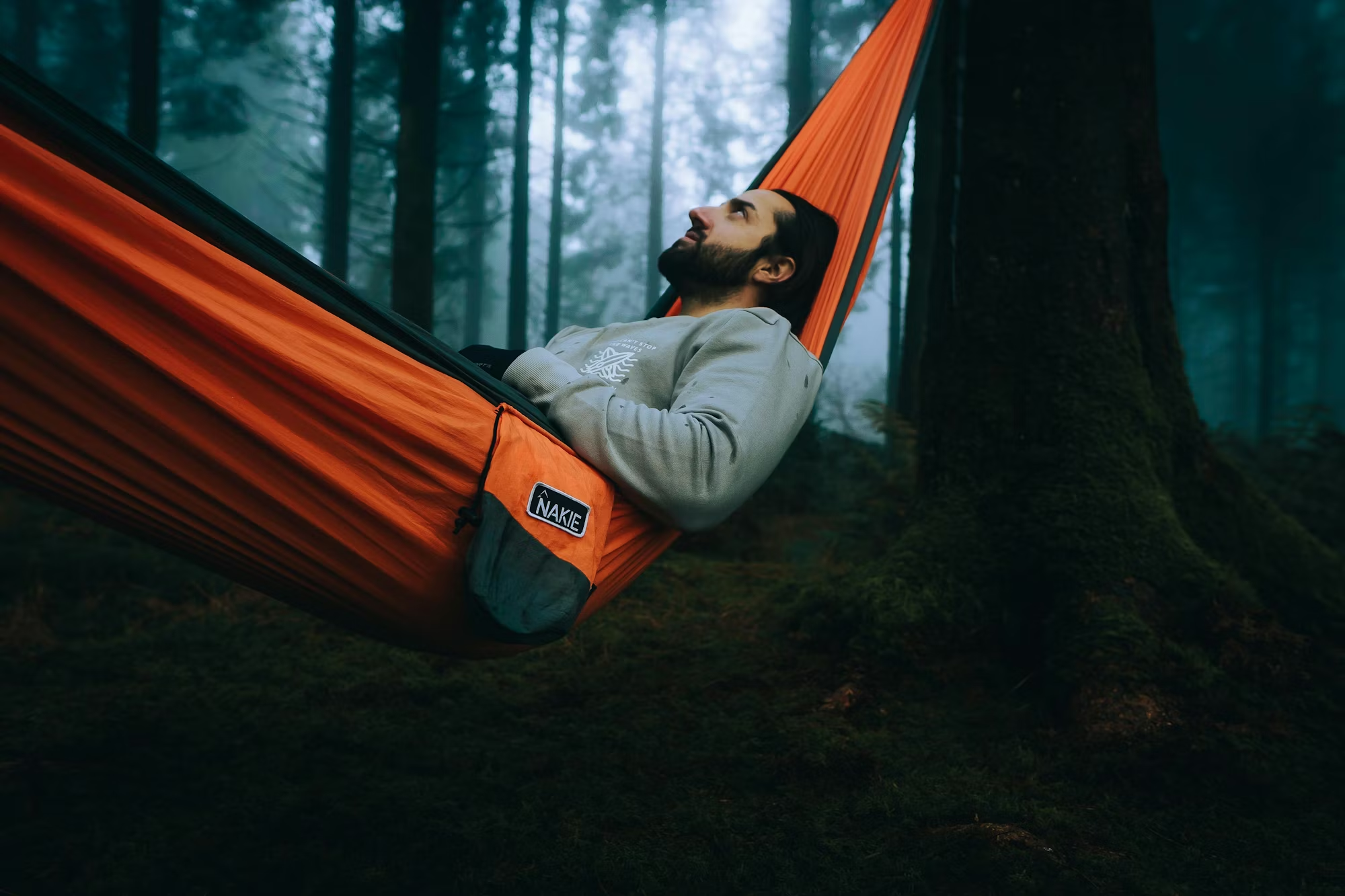
A Family Guide to Camping: Creating Lasting Memories in Nature

A Family Guide to Camping: Creating Lasting Memories in Nature

Camping is an enriching experience that allows families to bond, explore the outdoors, and create lasting memories. Whether you’re seasoned campers or planning your first trip, taking the time to prepare can make all the difference in ensuring everyone has an enjoyable time. This article will guide you through the essentials of planning a family camping trip, highlighting activities to engage everyone, and discussing the many benefits of spending time in nature together.

The Importance of Family Camping

Family camping offers numerous benefits that go beyond just spending time in nature. First and foremost, it allows families to disconnect from the hustle and bustle of everyday life, providing a chance to unplug from technology and focus on each other. This shared experience can strengthen family bonds and create a sense of teamwork as everyone contributes to the camping adventure.

Moreover, camping encourages children to develop valuable skills. From setting up tents to cooking meals, kids learn responsibility and self-sufficiency. Being in nature also fosters curiosity and an appreciation for the environment, making it an educational experience that promotes a love for the outdoors.

Choosing the Right Campsite

Selecting the perfect campsite is crucial for a successful family camping trip. Start by discussing preferences with your family—do you prefer a campsite with amenities, or are you looking for a more remote experience? National parks and state parks often provide family-friendly campgrounds, complete with facilities like restrooms and picnic areas, while dispersed camping in less-traveled areas offers more adventure.

When choosing a campsite, consider the accessibility for your family, especially if you have younger children. Look for level ground for pitching tents and nearby water sources for convenience. Research the local wildlife and any potential hazards, ensuring a safe and enjoyable experience.

Essential Gear for Family Camping

Once you have chosen your destination, it’s time to gather the necessary gear. A reliable tent is essential for family camping. Choose one that accommodates everyone comfortably, with enough space for sleeping and storing gear. Look for tents that are easy to set up, as this will save time and reduce stress during your arrival.

In addition to a tent, you’ll need sleeping bags and sleeping pads. Opt for sleeping bags that are rated for the temperatures you expect during your trip. A good sleeping pad adds comfort and insulation, ensuring everyone gets a restful night’s sleep. Additionally, a portable camping stove or grill is essential for cooking meals. Pre-planning meals and packing lightweight ingredients can simplify the cooking process.

Meal Planning and Cooking

Food is a highlight of any camping trip, and meal planning is vital for a successful experience. Involve your family in the meal planning process, allowing everyone to suggest their favorite campfire meals. Simple options like hot dogs, burgers, or foil-wrapped veggies can make for easy and enjoyable cooking.

Prepping meals at home can save time and effort while camping. Consider marinating meats, chopping vegetables, or making snacks ahead of time. Don’t forget essentials like cooking utensils, pots, and a cooler for perishables. Having a well-organized cooking area at the campsite can make mealtime enjoyable and efficient.

Engaging Activities for All Ages

A successful family camping trip includes activities that engage everyone, regardless of age. Hiking is a popular option that allows families to explore trails together. Choose hikes that match the fitness levels of your group, and take breaks to enjoy the scenery. Nature walks can be educational, teaching children about local plants and wildlife along the way.

Campfire evenings are a great time for storytelling, games, and cooking s’mores. This shared time can foster creativity and bonding as family members take turns sharing stories or playing campfire games. Consider bringing along a few board games or a deck of cards for additional entertainment during downtime.

Exploring Nature

Camping provides a unique opportunity to immerse yourself in nature. Encourage your family to observe the environment and appreciate its beauty. Birdwatching can be a fun and educational activity, and bringing along a field guide can help identify different species. Engaging children in nature through scavenger hunts or identifying plants and animals fosters a deeper connection with their surroundings.

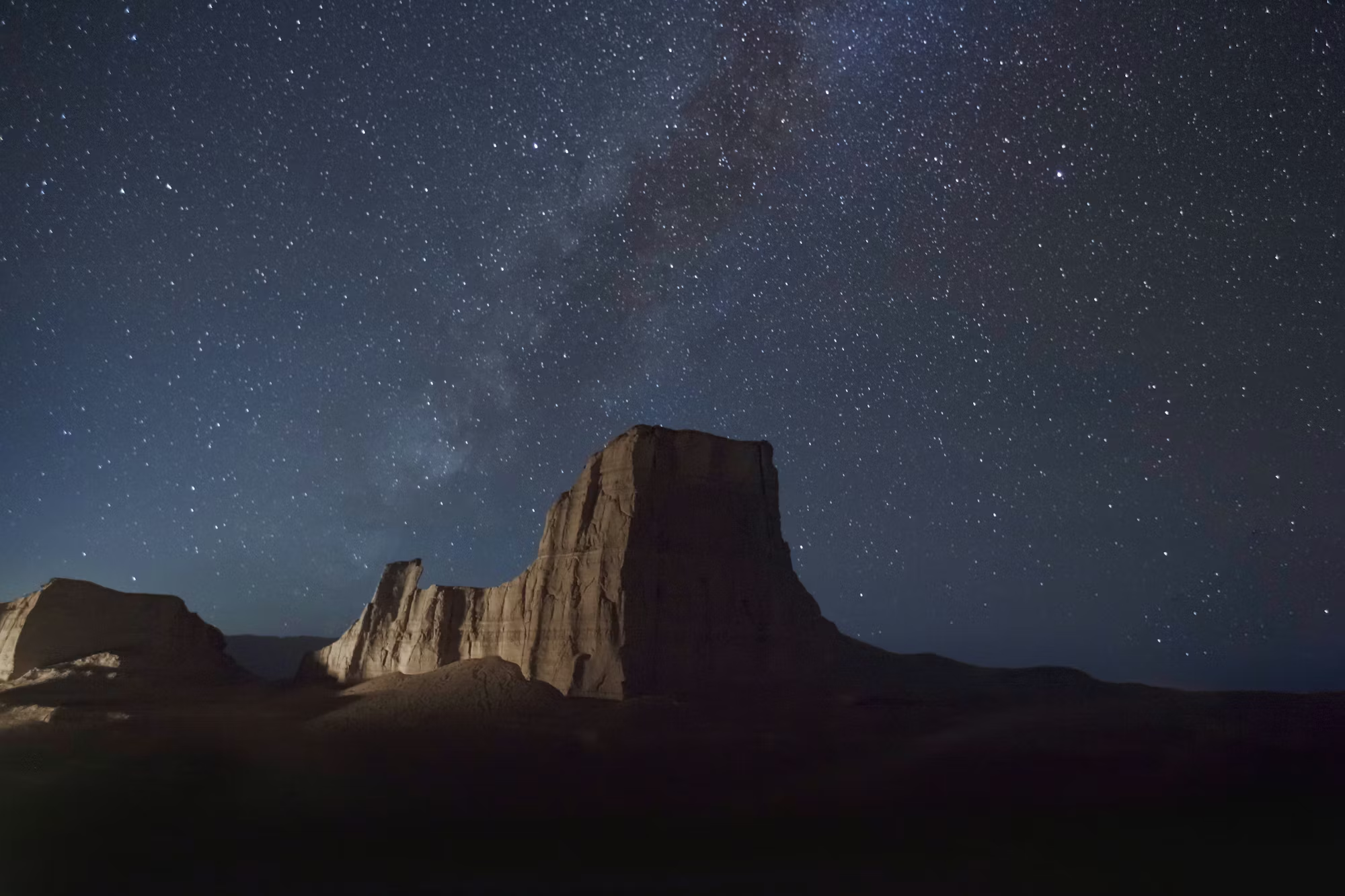
Consider dedicating time for stargazing at night. Without the interference of city lights, the night sky can be a mesmerizing sight. Bring a telescope or simply lie back and enjoy the view. Teaching children about constellations can enhance their appreciation for the universe and create memorable moments together.

Safety Considerations

Safety should always be a priority when camping with family. Before embarking on your trip, ensure everyone knows the camping basics, such as how to set up a tent, how to start a fire, and basic first aid procedures. Carrying a well-stocked first aid kit is essential, along with insect repellent and sunscreen to protect against bites and sunburn.

Familiarize yourself with the area, including any potential hazards like wildlife encounters. Educating your family on how to safely enjoy nature is crucial for a successful trip. Establishing a buddy system for younger children can help ensure everyone stays safe while exploring.

Creating Lasting Memories

Camping is not just about the activities or the scenery; it’s about the memories you create together. Take plenty of photos during your trip to capture special moments. Encourage everyone to keep a camping journal, where they can write about their experiences, what they learned, and their favorite memories.

After the trip, consider creating a scrapbook that includes photos, journal entries, and mementos from your adventure. This project can serve as a cherished keepsake that reminds everyone of the fun times spent together in nature.

Conclusion

Family camping is an extraordinary way to bond, learn, and create unforgettable memories in nature. By carefully planning your trip, choosing engaging activities, and prioritizing safety, you can ensure a successful outdoor adventure. Embrace the beauty of the great outdoors and cherish the time spent together, fostering a love for nature in your family that can last a lifetime. So gather your gear, plan your meals, and set out on a journey that will strengthen your family ties and inspire a sense of adventure.


Chasing the Northern Lights: A Traveler’s Guide to Auroral Adventures

Chasing the Northern Lights: A Traveler’s Guide to Auroral Adventures

The Northern Lights, or Aurora Borealis, are one of nature’s most breathtaking spectacles, captivating travelers with their vibrant colors and dancing shapes across the night sky. This ethereal phenomenon occurs when charged particles from the sun collide with the Earth’s atmosphere, creating a stunning display of light. For those eager to experience this magical event, the following guide highlights some of the best destinations, tips, and experiences that will make your journey unforgettable.

When it comes to chasing the Northern Lights, few places can rival Norway’s Tromsø, often referred to as the ‘Gateway to the Arctic.’ Nestled within the Arctic Circle, Tromsø offers not only prime viewing conditions but also a wealth of activities for travelers. From late September to early April, visitors can witness the Aurora dancing above the city and its stunning fjords. Guided tours are available, taking you to remote locations away from city lights, maximizing your chances of witnessing the lights in all their glory. During the day, explore Tromsø’s charming wooden houses, visit the Polar Museum, or take a cable car ride for panoramic views of the surrounding landscapes.

Just a short flight away lies Sweden’s Abisko National Park, renowned for its clear skies and exceptional auroral activity. The park’s unique microclimate creates favorable conditions for Northern Lights viewing, often offering multiple sightings on a single trip. The famous Aurora Sky Station provides a comfortable vantage point to watch the lights while enjoying a warm drink. Visitors can also engage in winter activities such as dog sledding and snowshoeing, making it a perfect winter wonderland for adventure seekers.

Finland is another fantastic destination for experiencing the Northern Lights, particularly in the enchanting region of Lapland. Rovaniemi, known as the official hometown of Santa Claus, offers various activities alongside aurora chasing. Stay in a glass igloo for a cozy experience under the stars or visit the Santa Claus Village for a bit of holiday magic. The nearby Ounasvaara Hill is a great spot for hiking and enjoying the view, with a chance to see the lights reflecting on the snowy landscape. The Finnish Lapland also provides opportunities for reindeer sledding and traditional sauna experiences, enriching your journey with local culture.

Iceland, with its otherworldly landscapes, is a must-visit for those pursuing the Northern Lights. The capital, Reykjavik, serves as a convenient base for excursions into the wild. Popular spots include Thingvellir National Park, where you can witness the lights over rift valleys and beautiful lakes. A unique experience is to soak in the Blue Lagoon while marveling at the night sky. Iceland’s rugged terrain, complete with glaciers and volcanoes, adds a dramatic backdrop to your aurora adventure. To increase your chances of witnessing the lights, consider taking a guided tour that takes you to lesser-known viewing spots, away from the crowds.

For those looking to combine city life with aurora hunting, Canada’s Yellowknife in the Northwest Territories is a perfect choice. Known as one of the best places globally for Northern Lights viewing, Yellowknife offers a unique blend of urban amenities and wilderness. The city has a vibrant arts scene and excellent dining options, ensuring you have plenty to explore during the day. Nightly tours are available that take you to remote locations, enhancing your chances of seeing the aurora. The locals often describe the lights as a living entity, swirling and moving with grace, making it a captivating experience that resonates deeply.

Traveling to Alaska provides another extraordinary opportunity to witness the Northern Lights. Fairbanks, positioned under the Auroral Oval, offers excellent chances to see the lights throughout the winter months. The city has dedicated aurora viewing spots, such as the Creamer’s Field Migratory Waterfowl Refuge, which allows for unobstructed views of the night sky. Engage in local experiences like snowmobiling or visiting the Ice Museum, where you can enjoy ice sculptures and cocktails served in ice glasses. Alaska’s wilderness offers an incredible backdrop for both the aurora and winter activities, making it a perfect destination for adventure lovers.

While the thrill of chasing the Northern Lights is exhilarating, preparing for your trip is essential. Dress warmly in layers, as winter nights in these northern destinations can be extremely cold. Invest in quality winter gear, including insulated boots, thermal socks, and hats, to ensure you remain comfortable while waiting for the lights to appear. Many tour operators provide equipment like snowshoes and sleds, so you can focus on enjoying the experience without worrying about logistics.

Timing is also crucial for aurora viewing. Although the Northern Lights can be seen at any time of the year, the winter months from September to April offer the best chances due to longer nights and clearer skies. Check the lunar calendar before planning your trip; a new moon or crescent moon is preferable as less moonlight means darker skies, enhancing the visibility of the lights. Furthermore, monitor aurora forecasts to maximize your chances, as conditions can change rapidly.

Lastly, consider your mental preparation. Witnessing the Northern Lights is often described as a spiritual experience, and having an open mind can enrich the journey. Engage with locals, learn about their stories and traditions, and immerse yourself in the culture of the places you visit. The Northern Lights are not merely a visual spectacle; they are a testament to the beauty of our planet and the wonder of nature. Each sighting becomes a cherished memory, and the anticipation builds excitement that is part of the adventure.

In conclusion, chasing the Northern Lights is a bucket-list experience that combines travel, adventure, and the beauty of nature. From the stunning landscapes of Norway and Sweden to the unique cultural experiences in Finland and Iceland, each destination offers something special for those eager to witness this natural wonder. As you embark on your journey, remember to embrace the adventure, cherish the moments, and let the magic of the auroras illuminate your path. Whether you’re traveling solo or with loved ones, the Northern Lights promise an experience that will leave a lasting impression.

Cultural Travel: Immersing Yourself in the World’s Rich Heritage

Cultural Travel: Immersing Yourself in the World’s Rich Heritage

Cultural travel is a powerful way to explore the world, offering a deep dive into the diverse traditions, histories, and lifestyles that shape different communities. Unlike typical vacations that may focus on relaxation or adventure, cultural travel invites individuals to immerse themselves in the essence of a destination. This article delves into the importance of cultural travel, showcases inspiring destinations, and provides practical tips for enriching your journey.

What is Cultural Travel?

Cultural travel involves exploring the customs, art, history, and social practices of a place. It encourages travelers to engage meaningfully with local communities, often through experiences such as visiting museums, attending festivals, or participating in traditional crafts. By prioritizing cultural understanding, travelers can foster greater appreciation and respect for the world’s diverse heritage.

Cultural travel is not just about observation; it is about participation. It transforms a simple trip into a journey of learning and connection, allowing travelers to forge bonds with people and places that can last a lifetime.

The Importance of Cultural Travel

Cultural travel holds significant importance for several reasons:

1. Promoting Understanding and Tolerance

In an increasingly globalized world, cultural travel promotes understanding and tolerance among diverse communities. By experiencing different cultures firsthand, travelers can break down stereotypes and build empathy. This form of travel fosters a sense of shared humanity, encouraging individuals to appreciate the richness of cultural diversity.

2. Supporting Local Economies

Engaging with local cultures often means supporting local economies. Travelers who choose to shop at markets, dine at family-owned restaurants, and participate in community activities contribute directly to the livelihoods of residents. This support helps sustain cultural practices and traditions that might otherwise fade away.

3. Enriching Personal Experiences

Cultural travel enriches personal experiences by providing unique insights into the world. Whether it’s learning to cook a traditional dish, attending a local dance, or visiting historical sites, these experiences can transform the way travelers see the world. Cultural immersion often leads to unforgettable memories and personal growth.

Inspiring Cultural Travel Destinations

There are countless destinations around the globe that offer incredible cultural experiences. Here are a few standout locations:

1. Kyoto, Japan

Kyoto, with its stunning temples, traditional tea houses, and beautiful gardens, is a cultural gem. Visitors can immerse themselves in Japan’s rich heritage by participating in tea ceremonies, exploring ancient shrines, and experiencing the art of kaiseki dining. Kyoto’s annual festivals, such as Gion Matsuri, showcase vibrant traditions that attract travelers from all over the world.

2. Florence, Italy

Florence, the cradle of the Renaissance, offers a wealth of cultural experiences. From the masterpieces of Michelangelo and Botticelli to the architectural wonders of the Duomo, the city is a treasure trove of art and history. Travelers can take guided tours of the Uffizi Gallery, participate in a cooking class, or explore the historic streets to fully appreciate Florence’s vibrant culture.

3. Marrakech, Morocco

Marrakech is a sensory delight, where travelers can explore bustling souks, intricate palaces, and serene gardens. The city’s rich history is evident in its architecture and traditional crafts. Visitors can engage with local artisans, sample Moroccan cuisine, and experience the lively atmosphere of the Jemaa el-Fnaa square, where musicians, storytellers, and performers gather.

4. Cusco, Peru

Cusco, the former capital of the Inca Empire, is a gateway to rich indigenous culture and history. Travelers can explore ancient ruins, such as Sacsayhuamán and Machu Picchu, while learning about the traditions of the Andean people. Cultural festivals, such as Inti Raymi, provide a unique opportunity to witness vibrant celebrations that honor ancient customs.

Tips for Engaging in Cultural Travel

To make the most of your cultural travel experiences, consider the following tips:

1. Research Before You Go

Understanding the history, customs, and traditions of your destination can enhance your experience. Research local etiquette, key historical sites, and significant cultural practices. This knowledge allows you to engage more meaningfully with the local community.

2. Participate in Local Activities

Seek out opportunities to participate in local activities, such as cooking classes, dance lessons, or traditional crafts. Engaging directly with local customs fosters deeper connections and provides a hands-on understanding of the culture.

3. Respect Local Traditions

When traveling, always respect local traditions and customs. Be mindful of dress codes when visiting religious sites and observe local practices. Showing respect fosters goodwill and appreciation between travelers and hosts.

4. Use Local Guides

Consider hiring local guides who can provide insights and context to your experiences. Local guides often share stories, legends, and lesser-known facts that enrich your understanding of the culture. Their expertise can help you navigate cultural nuances and enhance your overall experience.

5. Be Open-Minded

Approach cultural travel with an open mind and a willingness to learn. Embrace new experiences, try unfamiliar foods, and engage with locals. The more you immerse yourself in the culture, the more rewarding your journey will be.

Conclusion: A Journey of Discovery

Cultural travel offers a profound opportunity to explore the world’s rich heritage and foster meaningful connections. By immersing yourself in different cultures, you not only gain unique experiences but also contribute to the preservation of traditions and local economies. Whether wandering through the ancient streets of Kyoto or savoring Moroccan spices in Marrakech, cultural travel enriches the soul and broadens horizons.

As you plan your next adventure, consider embracing cultural travel. Your journey awaits, filled with the promise of discovery, learning, and connection. Embrace the world’s cultures, and let each experience shape your understanding of the diverse tapestry of humanity.

Cultural Heritage: Exploring the World’s Most Significant Landmarks

Cultural Heritage: Exploring the World’s Most Significant Landmarks

Cultural heritage encompasses the traditions, values, and expressions of human creativity that are passed down through generations. Landmarks serve as physical representations of this heritage, embodying the history, artistry, and beliefs of the cultures that created them. This article explores some of the world’s most significant cultural landmarks, examining their historical significance, architectural features, and the traditions they uphold. One of the most iconic cultural landmarks is the Great Wall of China. Stretching over 13,000 miles, this monumental structure was built over several dynasties to protect Chinese states from invasions. Constructed primarily between the 7th century BC and the 16th century, the Great Wall showcases the ingenuity and determination of the Chinese people. Visitors can walk along various sections of the wall, experiencing its vastness and the breathtaking landscapes it traverses. The Great Wall not only represents architectural achievement but also serves as a symbol of national pride and cultural identity for the Chinese people. In the heart of Italy, the Colosseum stands as a testament to ancient Roman engineering and culture. Completed in AD 80, this grand amphitheater could hold up to 80,000 spectators and was the site of gladiatorial contests and public spectacles. The Colosseum’s iconic elliptical shape and intricate design highlight the architectural prowess of the Romans. Today, it attracts millions of visitors each year, who come to explore its history and marvel at its grandeur. The Colosseum serves as a reminder of the complexities of Roman society and its enduring influence on modern culture. Another remarkable cultural landmark is the Machu Picchu in Peru. This ancient Incan city, nestled high in the Andes Mountains, was built in the 15th century and remains one of the most significant archaeological sites in the world. Machu Picchu’s sophisticated dry-stone construction and terraced agriculture reflect the ingenuity of the Inca civilization. Visitors can hike the Inca Trail or take a train to the site, where they are greeted by stunning views and a sense of history that permeates the air. Machu Picchu not only represents the achievements of the Inca people but also serves as a symbol of Peru’s rich cultural heritage. The Pyramids of Giza in Egypt are perhaps the most recognized symbols of ancient civilization. Constructed around 4,500 years ago, these monumental tombs were built for pharaohs and showcase the remarkable engineering skills of the ancient Egyptians. The Great Pyramid of Giza is the largest and is one of the Seven Wonders of the Ancient World. Visitors can explore the pyramid complex and learn about the fascinating history and rituals associated with ancient Egyptian burial practices. The Pyramids of Giza serve as enduring symbols of Egypt’s cultural legacy and its contributions to human history. The Eiffel Tower in Paris, France, is not only an architectural marvel but also a symbol of French art and culture. Completed in 1889 for the Exposition Universelle, the Eiffel Tower was initially met with criticism but has since become one of the most recognizable landmarks in the world. Standing at 1,083 feet, the tower offers stunning views of the city and is a favorite spot for tourists and locals alike. The Eiffel Tower represents the spirit of innovation and creativity, embodying the cultural identity of Paris as a center for art and fashion. In the heart of Beijing, the Forbidden City stands as a testament to China’s imperial history. This vast palace complex served as the home of emperors and their households for nearly 500 years. The Forbidden City is renowned for its exquisite architecture, intricate gardens, and rich symbolism. Visitors can explore its numerous halls and courtyards, gaining insight into the lives of the emperors and the significance of the artifacts housed within its walls. The Forbidden City represents the cultural heritage of China and its historical significance in shaping the nation’s identity. The Acropolis of Athens is a symbol of ancient Greek civilization and democracy. Perched on a rocky outcrop overlooking the city, the Acropolis is home to several iconic structures, including the Parthenon, dedicated to the goddess Athena. Constructed in the 5th century BC, the Parthenon exemplifies classical architecture and remains a symbol of Western civilization. Visitors can explore the ancient ruins and learn about the rich history of Athens, the birthplace of democracy and philosophy. The Acropolis stands as a testament to the enduring legacy of ancient Greece and its influence on modern society. In the Americas, the Statue of Liberty in New York City is a symbol of freedom and democracy. Gifted by France in 1886, the statue represents the ideals of liberty and opportunity that the United States embodies. Standing at 305 feet tall, the Statue of Liberty greets millions of immigrants and visitors each year. A visit to Liberty Island offers a chance to learn about the statue’s history and significance, making it a powerful cultural landmark that represents hope and resilience. The Taj Mahal in India is not only an architectural masterpiece but also a symbol of love and devotion. Commissioned by Emperor Shah Jahan in memory of his beloved wife, Mumtaz Mahal, this white marble mausoleum is renowned for its stunning beauty and intricate craftsmanship. The Taj Mahal’s symmetrical gardens and reflecting pools enhance its elegance, drawing millions of visitors from around the world. It serves as a reminder of the enduring power of love and the artistic achievements of the Mughal Empire, making it a significant cultural landmark in India. Stonehenge in England is a prehistoric monument that continues to fascinate researchers and visitors alike. This ancient stone circle, believed to have been constructed around 2500 BC, is shrouded in mystery regarding its purpose and significance. Visitors can explore the site and ponder the engineering feats required to transport and arrange the massive stones. Stonehenge is a symbol of human ingenuity and the mysteries of ancient cultures, representing a deep connection to the past and the traditions that shaped our world. The Alhambra in Spain is a stunning example of Moorish architecture and a UNESCO World Heritage site. This palace and fortress complex, located in Granada, showcases intricate tile work, lush gardens, and elaborate stucco decoration. The Alhambra reflects the cultural fusion of Islamic and Spanish influences and is a testament to the artistic achievements of the Nasrid dynasty. Visitors can wander through its stunning courtyards and halls, gaining insight into the rich history of the region and the enduring legacy of Moorish culture. Finally, the Burj Khalifa in Dubai, United Arab Emirates, is a modern architectural marvel that symbolizes the aspirations of a rapidly evolving nation. Standing at 2,717 feet, the Burj Khalifa is the tallest building in the world and a testament to human ingenuity and innovation. Visitors can ascend to its observation decks for breathtaking views of the city and surrounding desert. The Burj Khalifa represents the ambitions of Dubai as a global city and its commitment to architectural excellence. In conclusion, cultural landmarks are essential to our understanding of human history and creativity. They offer a window into the traditions, values, and artistic achievements of the societies that created them. From the grandeur of the Great Wall of China to the elegance of the Taj Mahal, these sites not only inspire admiration but also foster a deeper appreciation for the diverse cultural heritage that shapes our world. As custodians of these remarkable landmarks, it is our responsibility to preserve and celebrate them, ensuring that future generations can continue to learn from and be inspired by our shared cultural history.

Embracing Adventure: A Family Guide to Outdoor Sports

Embracing Adventure: A Family Guide to Outdoor Sports

Outdoor sports provide an incredible way for families to bond, stay active, and enjoy the beauty of nature. From thrilling adventures like rock climbing and mountain biking to more leisurely pursuits like kayaking and hiking, there’s something for everyone to enjoy. In this article, we will explore a variety of outdoor sports, discuss their benefits, and provide tips on how to get started, ensuring your family can make the most of your time together in the great outdoors.

The Allure of Outdoor Sports
Engaging in outdoor sports offers numerous advantages beyond physical fitness. Being outside allows families to connect with nature, reduce stress, and improve overall well-being. Children especially benefit from outdoor activities, as they can develop essential life skills, including teamwork, problem-solving, and resilience. Moreover, participating in sports fosters a sense of adventure and encourages families to explore new environments together.

Popular Outdoor Sports for Families
Here are some popular outdoor sports that families can enjoy together, catering to various interests and fitness levels:

1. Hiking: Hiking is one of the most accessible outdoor sports for families. With trails available for all skill levels, families can choose easy paths for younger children or more challenging hikes for older kids. Hiking not only provides exercise but also allows families to explore diverse ecosystems and observe wildlife. Packing a picnic to enjoy at a scenic viewpoint can enhance the experience.

2. Biking: Cycling is a fantastic way to explore local parks, nature trails, and scenic routes. Families can ride at their own pace, making it suitable for children of all ages. Consider investing in child seats or tag-along bikes for younger kids. Many communities have designated bike paths, making it safer and easier to enjoy this activity together.

3. Kayaking and Canoeing: Paddling on calm lakes or gentle rivers is an enjoyable way for families to spend time outdoors. Kayaking and canoeing promote teamwork and coordination, and they offer a unique perspective on nature. Many rental shops provide guided tours for beginners, ensuring a safe and informative experience.

4. Rock Climbing: For families seeking adventure, rock climbing can be an exhilarating option. Many climbing gyms offer introductory classes for beginners, making it easier for families to learn the basics together. Outdoor climbing locations often have routes suitable for various skill levels, allowing everyone to challenge themselves safely.

5. Camping: Camping can be an incredible outdoor adventure that combines several activities. Families can hike, fish, and explore while enjoying the comforts of a campsite. Involving children in setting up tents, cooking over a fire, and planning activities helps them develop responsibility and fosters teamwork.

Getting Started with Outdoor Sports
Embarking on outdoor sports as a family can be exciting, but it’s essential to start with the right approach. Here are some tips to help you begin your journey:

1. Choose Activities That Interest Everyone: Involve all family members in the decision-making process. Discuss different outdoor sports and take votes on which activities everyone would like to try. This inclusivity ensures that everyone feels invested in the experience.

2. Start Small: If your family is new to outdoor sports, it’s wise to start with less strenuous activities and gradually progress to more challenging ones. For example, begin with short hikes or leisurely bike rides before tackling longer trails or more intense sports. This approach helps build confidence and prevents overwhelming beginners.

3. Invest in Proper Gear: Safety and comfort are paramount in outdoor sports. Research the necessary equipment for your chosen activities, ensuring everyone has the appropriate clothing and gear. This may include sturdy shoes for hiking, helmets for biking, or life jackets for kayaking. Investing in quality gear enhances safety and overall enjoyment.

4. Take a Class or Join a Group: Many outdoor sports organizations offer classes and family-friendly groups. Joining a class is an excellent way to learn new skills, meet other families, and ensure a safe and supportive environment. Look for local outdoor clubs or community centers that host activities suitable for all ages.

5. Plan Family Adventures: Schedule regular family outings centered around outdoor sports. Create a calendar of activities, and make a commitment to explore a new sport or location each month. These adventures will not only enhance family bonding but also instill a love for the outdoors in your children.

Benefits of Outdoor Sports for Families
Engaging in outdoor sports as a family offers numerous benefits that contribute to overall well-being:

– Physical Fitness: Outdoor sports promote an active lifestyle, encouraging families to engage in regular physical activity. This is crucial for maintaining a healthy weight, improving cardiovascular health, and boosting overall energy levels.
– Mental Health: Spending time outdoors has been shown to reduce stress, anxiety, and depression. The fresh air, sunshine, and natural surroundings create a soothing environment that enhances mental well-being for both children and adults.
– Family Bonding: Participating in outdoor sports together fosters communication and strengthens relationships. Shared challenges and triumphs create lasting memories that families can cherish.
– Skill Development: Outdoor sports teach valuable skills such as teamwork, leadership, and problem-solving. These experiences can empower children and instill a sense of confidence that extends beyond outdoor activities.
– Connection with Nature: Outdoor sports encourage families to appreciate and respect the environment. Developing a connection with nature can inspire future generations to advocate for conservation and sustainability.

Creating Lasting Memories
To ensure your family’s outdoor adventures are memorable, consider documenting your experiences. Take photos, maintain a family adventure journal, or create a scrapbook that highlights your activities together. Reflecting on these experiences can enhance their significance and encourage future outings.

Additionally, encourage your children to invite friends on your adventures. This not only broadens their social circles but also allows you to introduce outdoor sports to new families, creating a sense of community.

Conclusion
Outdoor sports offer a fantastic way for families to bond, stay active, and connect with nature. With a variety of activities available, there’s something for everyone to enjoy. By choosing sports that interest all family members, planning adventures together, and prioritizing safety, you can create a foundation for a lifetime of outdoor exploration. So gather your family, pack your gear, and embark on exciting outdoor sports adventures that will foster memories and strengthen your family bonds for years to come.

Exploring the Great Outdoors: A Guide to Nature Photography

Exploring the Great Outdoors: A Guide to Nature Photography

Nature photography is a rewarding pursuit that allows you to capture the beauty of the great outdoors. From sweeping landscapes to intricate details of flora and fauna, this art form invites you to observe and document the world around you. Whether you are a beginner or an experienced photographer looking to refine your skills, this guide will provide you with essential tips, techniques, and insights to elevate your nature photography.\n\n The Joy of Nature Photography\nThe thrill of nature photography lies not only in the images you create but also in the experiences you gather while exploring various environments. Being in nature encourages mindfulness and deepens your appreciation for the planet’s beauty. The process of setting out on an adventure with your camera can lead to surprising discoveries, whether you find a hidden waterfall, a colorful sunset, or a rare bird perched on a branch.\n\n Essential Gear for Nature Photography\nBefore heading out to capture breathtaking shots, it’s crucial to have the right equipment. While you don’t need the most expensive gear to take great photos, having a few key items can significantly enhance your experience and results. Here’s a list of essential gear for nature photography:\n\n1. Camera: A DSLR or mirrorless camera offers the versatility and image quality that can make a significant difference in your photographs. If you’re just starting out, even a high-quality smartphone camera can capture stunning images.\n\n2. Lenses: Depending on your focus, a variety of lenses can be helpful. A wide-angle lens is ideal for landscapes, while a telephoto lens is great for wildlife photography.\n\n3. Tripod: A sturdy tripod stabilizes your camera and allows for longer exposure times, especially useful in low light conditions or for capturing silky water effects.\n\n4. Filters: Neutral density filters can help manage exposure in bright conditions, while polarizing filters enhance colors and reduce reflections.\n\n5. Extra Batteries and Memory Cards: Nature photography often takes you far from power sources, so having spare batteries and memory cards ensures you won’t miss a moment.\n\n6. Weather Protection: A rain cover for your camera and waterproof bags for your gear can protect your equipment from unpredictable weather.\n\n7. Comfortable Backpack: A well-designed camera backpack allows you to carry your gear comfortably on long hikes. Look for one with padded compartments to keep your equipment secure.\n\n Understanding Composition in Nature Photography\nComposition is a crucial aspect of photography that can make or break an image. It refers to how elements are arranged within your frame and plays a significant role in creating visual interest. Here are some key composition techniques to consider:\n\n1. The Rule of Thirds: Imagine dividing your frame into a 3×3 grid. Placing key elements along these lines or at their intersections can create a more balanced and engaging image.\n\n2. Leading Lines: Use natural lines in the landscape, such as roads, rivers, or paths, to lead the viewer’s eye through the photograph. This technique adds depth and guides attention to focal points.\n\n3. Framing: Use natural elements, like trees or arches, to frame your subject. This adds context and helps draw attention to the main focus of the image.\n\n4. Depth of Field: Manipulate depth of field by adjusting your aperture settings. A shallow depth of field can isolate subjects, while a deeper depth allows for more detail across the scene.\n\n5. Balance: Ensure your composition is balanced by distributing visual weight evenly across the frame. This can be achieved by positioning elements thoughtfully, creating harmony in the photograph.\n\n Best Times for Nature Photography\nTiming can significantly impact the quality of your photographs. Certain times of day offer unique lighting conditions that can enhance your images. Here are the best times for nature photography:\n\n1. Golden Hour: The hour after sunrise and before sunset is known as the golden hour. The soft, warm light during this time creates stunning images with rich colors and gentle shadows.\n\n2. Blue Hour: Just before sunrise and after sunset, the blue hour offers a cool, ethereal light that is ideal for capturing tranquil landscapes or cityscapes.\n\n3. Overcast Days: Cloudy skies provide diffused light that minimizes harsh shadows, making it easier to capture details in subjects such as flowers and foliage.\n\n4. Seasonal Changes: Each season brings its own unique beauty. Spring flowers, summer greenery, autumn foliage, and winter landscapes all offer diverse photographic opportunities.\n\n Tips for Wildlife Photography\nCapturing wildlife in their natural habitat can be challenging but incredibly rewarding. Here are some tips for successful wildlife photography:\n\n1. Patience is Key: Wildlife is unpredictable, so be prepared to wait quietly for the perfect moment. Being patient often leads to the best shots.\n\n2. Use a Telephoto Lens: A telephoto lens allows you to get close-up shots without disturbing animals. This is crucial for capturing wildlife in their natural behaviors.\n\n3. Learn Animal Behavior: Understanding the habits and behaviors of the wildlife you are photographing can help you anticipate actions and improve your chances of getting great shots.\n\n4. Respect Nature: Always prioritize the well-being of animals and their habitats. Maintain a safe distance and avoid causing stress to wildlife.\n\n5. Be Quiet: Noise can scare away animals. Approach quietly and minimize movement to capture candid moments.\n\n Post-Processing Techniques\nOnce you’ve captured your photographs, post-processing can help enhance your images. Here are some techniques to consider:\n\n1. Basic Adjustments: Use software like Adobe Lightroom or Photoshop to adjust exposure, contrast, saturation, and sharpness. Small tweaks can make a big difference.\n\n2. Cropping: Don’t hesitate to crop your images to improve composition or remove distractions. This can help focus attention on the main subject.\n\n3. Color Correction: Adjusting color balance and correcting white balance can help your images appear more natural and vibrant.\n\n4. Sharpening: Apply sharpening techniques to enhance the details in your images, especially if they were shot at a lower shutter speed.\n\n5. Filters and Effects: Experiment with filters to create specific moods or styles. Just be careful not to overdo it; subtlety is often more effective.\n\n Conclusion\nNature photography is a fulfilling way to connect with the environment while honing your artistic skills. By understanding essential gear, composition techniques, timing, and post-processing, you can elevate your photography and create stunning images that reflect the beauty of the natural world. Remember to embrace the experience, explore different locations, and let your creativity shine. With practice and passion, you can capture breathtaking moments that will last a lifetime.\n

Exploring the World: A Journey Through Different Travel Styles

Exploring the World: A Journey Through Different Travel Styles

Traveling is a magnificent journey that opens our eyes to the beauty of the world and the diversity of its cultures. Whether we seek adventure, relaxation, or cultural immersion, each travel style brings its own unique experiences and opportunities for personal growth. In this article, we will explore the different ways to travel, emphasizing how each style enriches our lives and broadens our perspectives.\n\nLeisure travel is perhaps the most familiar form of exploration, focusing on relaxation and enjoyment. It allows us to escape our daily routines and unwind in beautiful destinations. Picture yourself lounging on the sandy beaches of Hawaii, strolling through the vibrant streets of Barcelona, or savoring gourmet meals in Tuscany. Leisure travel provides a chance to recharge our spirits, enjoy the local culture, and immerse ourselves in stunning landscapes. Each destination presents a unique experience, whether it’s a tranquil resort, a bustling city, or a peaceful nature retreat. By embracing leisure travel, we not only treat ourselves to moments of joy but also foster well-being and happiness.\n\nIn contrast, adventure travel appeals to those with a zest for excitement and exploration. This style often involves physical challenges and thrilling activities that push our limits. Whether it’s hiking in the majestic Andes, kayaking through pristine fjords, or zip-lining through lush rainforests, adventure travel fuels our desire for adrenaline and exploration. Engaging in these activities allows us to connect deeply with nature while cultivating a sense of accomplishment. Each adventure becomes a story waiting to be told, filled with personal achievements and breathtaking views. Adventure travel not only satisfies our thrill-seeking instincts but also enriches our understanding of the natural world.\n\nCultural travel invites us to immerse ourselves in the rich tapestry of human experiences. By exploring local traditions, art, and cuisines, we gain insights into different ways of life. This form of travel encourages us to engage with local communities, attend cultural festivals, and visit historical landmarks. For instance, wandering through the ancient ruins of Machu Picchu or experiencing a traditional tea ceremony in Japan can profoundly impact our understanding of those cultures. Cultural travel fosters empathy and appreciation for diversity, allowing us to forge meaningful connections with people from around the world. Each interaction enriches our lives, teaching us valuable lessons about humanity and shared experiences.\n\nAs environmental consciousness grows, ecotourism has emerged as a vital aspect of responsible travel. Ecotourism emphasizes the importance of preserving natural environments while enjoying them. Travelers who choose ecotourism often visit national parks, wildlife sanctuaries, and other protected areas, contributing to conservation efforts. Engaging in activities like wildlife observation, guided hikes, and community-led conservation projects allows us to appreciate the beauty of nature while ensuring its protection. By supporting ecotourism, we empower local communities and help preserve our planet’s precious ecosystems. This commitment not only enhances our travel experience but also fosters a sense of responsibility towards nature.\n\nSustainable travel complements ecotourism, focusing on making mindful choices that minimize our impact on the environment. This approach encourages us to opt for eco-friendly accommodations, support local businesses, and reduce waste during our journeys. By practicing sustainable travel, we can enjoy our adventures without compromising the well-being of the destinations we visit. Each choice we make contributes to the preservation of the environment and the empowerment of local communities. Sustainable travel nurtures a sense of connection and responsibility, ensuring that our travels leave a positive legacy.\n\nBackpacking has gained popularity among adventurous travelers seeking a budget-friendly way to explore the world. This style emphasizes minimalism and spontaneity, allowing individuals to travel light and explore multiple destinations. Backpackers often seek unique experiences by staying in hostels, meeting fellow travelers, and discovering hidden gems off the beaten path. This approach fosters authenticity, encouraging genuine interactions with locals and fellow adventurers. For example, exploring the vibrant street markets of Bangkok or hiking the scenic trails of Patagonia can lead to unexpected encounters and lasting friendships. Backpacking not only provides freedom but also cultivates resilience and adaptability, shaping us into more resourceful travelers.\n\nOn the other hand, luxury travel caters to those seeking indulgence and exceptional experiences. This form of travel is marked by high-end accommodations, gourmet dining, and personalized services that cater to individual preferences. Luxury travelers often enjoy curated itineraries, allowing them to experience the best that each destination has to offer. Whether it’s a private yacht charter in the Mediterranean or a lavish spa retreat in the Swiss Alps, luxury travel transforms vacations into extraordinary experiences. It provides a chance to savor the finer things in life while exploring new cultures, offering a unique blend of comfort and adventure.\n\nSolo travel has gained traction in recent years, appealing to individuals seeking independence and self-discovery. Traveling alone allows for personal reflection and the freedom to explore at one’s own pace. This form of travel encourages self-reliance, empowering individuals to navigate new environments and engage with different cultures on their own terms. The connections made while traveling solo can be profound, often leading to transformative experiences. Whether it’s enjoying a quiet moment in a café in Paris or hiking through the stunning landscapes of New Zealand, solo travel fosters confidence and personal growth, encouraging us to embrace our individuality.\n\nGroup travel offers a different dynamic, providing opportunities for bonding and shared experiences. Traveling with family, friends, or organized groups allows for collective discovery and collaboration. Group adventures can create lasting memories, as shared moments enhance the joy of exploration. Whether embarking on a family vacation to Disney World or joining a guided tour through the historic streets of Rome, group travel strengthens relationships and enriches the overall experience. The camaraderie and shared excitement of discovering new places together create connections that last a lifetime.\n\nLastly, business travel, while often focused on professional commitments, also presents opportunities for exploration. As professionals travel for meetings, conferences, and corporate events, they can carve out time to discover local attractions and engage with different cultures. Balancing work and leisure during business trips can enhance the overall experience, allowing individuals to expand their horizons while fulfilling their professional obligations. By taking advantage of downtime, business travelers can enrich their experiences and gain valuable insights into the cultures they encounter.\n\nIn conclusion, travel is a remarkable journey that enriches our lives in countless ways. Each travel style, from leisure and adventure to cultural immersion and sustainability, offers unique experiences that shape our perspectives and enhance our understanding of the world. By embracing these diverse styles of travel, we not only create lasting memories but also contribute to a more compassionate and connected global community. As we embark on our journeys, let us cherish the beauty of exploration and the transformative power of travel, paving the way for personal growth and a deeper appreciation for the world around us.

The Allure of Luxury Travel: Indulging in Extravagance Around the World

The Allure of Luxury Travel: Indulging in Extravagance Around the World

Luxury travel is often seen as the pinnacle of the travel experience, offering not just a getaway but an indulgent journey filled with exquisite comforts and unique adventures. From opulent accommodations to personalized services, luxury travel caters to those who seek not only relaxation but also unforgettable experiences that enhance their understanding of the world. This article delves into the various aspects of luxury travel, including extraordinary destinations, exclusive activities, and the transformative power of such indulgence.

At the heart of luxury travel lies the concept of unparalleled comfort. Travelers expect nothing less than the best when they opt for a lavish getaway, and this is evident in the choice of accommodations. Five-star hotels, private villas, and boutique resorts offer a level of service that exceeds typical expectations. Guests can enjoy beautifully designed rooms, stunning views, and top-notch amenities. Many luxury hotels also provide unique features such as private pools, butler services, and gourmet dining options that elevate the overall experience.

However, luxury travel goes beyond simply staying in lavish accommodations; it encompasses a range of exclusive experiences that create lasting memories. For instance, private guided tours allow travelers to explore historical sites and cultural landmarks without the crowds, offering a more intimate understanding of the destination. Imagine strolling through the majestic halls of a palace with a personal guide who shares fascinating stories, or savoring a sunset dinner on a secluded beach with a private chef. These experiences highlight the essence of luxury travel—making the extraordinary feel accessible.

Culinary experiences are another cornerstone of luxury travel. Many travelers seek out high-end dining experiences to indulge their palates. Michelin-starred restaurants, gourmet food festivals, and private cooking classes are just a few ways that luxury travelers can immerse themselves in the culinary arts. For example, learning to prepare a traditional Italian meal with a renowned chef in Tuscany not only delights the senses but also provides insight into the region’s rich culinary heritage. The fusion of food, culture, and travel creates a profound appreciation for local traditions.

Furthermore, wellness is a significant component of luxury travel. Many high-end resorts and retreats emphasize holistic experiences, offering spa treatments, yoga classes, and wellness programs designed to rejuvenate the body and mind. Travelers can engage in meditation sessions overlooking serene landscapes or partake in wellness retreats that combine luxurious accommodations with health-focused activities. This commitment to well-being enhances the travel experience, allowing individuals to return home feeling refreshed and revitalized.

For those with a sense of adventure, luxury travel also offers unique opportunities for exploration. Private yacht charters, helicopter tours, and exclusive safari experiences are just a few examples of how travelers can enjoy extraordinary adventures in style. Imagine sailing through the crystal-clear waters of the Caribbean on a private yacht, stopping at hidden coves, or embarking on a thrilling safari in Africa with a personal guide who ensures a comfortable and safe experience. These adventures create unforgettable moments that enrich one’s understanding of the world and its wonders.

Traveling in luxury also provides opportunities for cultural immersion at an elevated level. Many luxury travel companies prioritize connecting travelers with local communities and artisans. Participating in exclusive workshops, such as creating traditional crafts or learning a local dance, allows travelers to engage with the culture on a deeper level. These experiences promote cultural exchange and foster a greater appreciation for the diversity that exists around the globe.

Moreover, luxury travel often encourages personal growth and self-discovery. Stepping outside of one’s comfort zone, even in a lavish setting, can lead to profound insights. Whether it’s through a transformative wellness retreat or an adventurous excursion, these experiences often challenge travelers to reflect on their lives, values, and aspirations. The luxury travel experience, therefore, not only indulges the senses but also nurtures the soul, providing clarity and inspiration.

Sustainability is also becoming a focal point in the luxury travel sector. Many travelers are now seeking experiences that align with their values, leading to a rise in eco-luxury options. This includes staying at resorts that prioritize sustainable practices, such as using locally sourced materials, reducing waste, and supporting conservation efforts. Luxury travelers can indulge in their desires while also contributing positively to the environment and local communities. This shift towards sustainability highlights a growing awareness among travelers who wish to leave a positive impact on the world.

As we navigate the world of luxury travel, it’s important to remember that the experience is ultimately about connection—whether it’s with oneself, the local culture, or fellow travelers. Luxury travel fosters relationships that can transcend borders and create lasting bonds. Sharing a remarkable experience, whether it’s a breathtaking view from a mountaintop or a delightful meal shared with new friends, enriches our lives in ways that material possessions cannot.

In conclusion, luxury travel is about more than just indulgence; it’s an opportunity to explore the world in a way that enhances our understanding of different cultures, broadens our perspectives, and fosters personal growth. With its unique experiences, exceptional accommodations, and focus on well-being, luxury travel provides a transformative journey that leaves travelers enriched and inspired. As you consider your next adventure, remember that the allure of luxury travel lies not only in the opulence but also in the connections and memories you create along the way.

Culinary Adventures: A Journey Through the World’s Flavors

Culinary Adventures: A Journey Through the World’s Flavors

Food is not just a means of sustenance; it is a reflection of culture, history, and identity. As we travel the world, exploring its diverse culinary landscapes, we uncover flavors that tell stories and traditions that have been passed down through generations. This article takes you on a journey through some of the world’s most fascinating cuisines, highlighting their unique dishes, cooking techniques, and cultural significance.

Italian Cuisine is renowned for its regional diversity and emphasis on fresh, quality ingredients. From the rustic pasta dishes of Emilia-Romagna to the seafood delights of Sicily, Italian food showcases a deep connection to local traditions. One cannot discuss Italian cuisine without mentioning pizza, particularly the Neapolitan style, characterized by its soft, chewy crust, simple toppings, and wood-fired cooking. Another classic is risotto, a creamy rice dish often flavored with saffron or seasonal vegetables. The use of herbs, olive oil, and fresh vegetables makes Italian cuisine both flavorful and healthy, embodying the Mediterranean diet that is celebrated worldwide.

Traveling east, we find ourselves in Japanese cuisine, known for its precision and aesthetic presentation. Central to Japanese cooking is sushi, which has gained global popularity. Sushi embodies the Japanese philosophy of simplicity and harmony, using high-quality fish and vinegared rice. Another notable dish is ramen, a comforting noodle soup that varies by region, featuring different broths and toppings. Beyond these dishes, Japanese cuisine emphasizes seasonal ingredients and techniques such as umami—the savory taste that enhances flavor. The artistry involved in sushi-making and the delicate balance of flavors in each dish reflect Japan’s rich culinary heritage.

Venturing into Mexican cuisine, we discover a vibrant tapestry of flavors and traditions. Known for its use of bold spices and fresh ingredients, Mexican food is celebrated for dishes like tacos, enchiladas, and mole. Each region of Mexico offers its unique spin on traditional dishes; for example, the use of fresh seafood along the coasts, while the interior features hearty meats and beans. The cultural significance of food is evident in celebrations like Día de los Muertos, where traditional dishes are prepared as offerings for loved ones. Mexican cuisine, recognized by UNESCO as an Intangible Cultural Heritage, exemplifies the connection between food and community.

Indian cuisine is another remarkable culinary tradition characterized by its vast diversity and intricate use of spices. Each region boasts its unique flavors, influenced by local ingredients and historical trading routes. In the north, dishes like butter chicken and biryani are popular, while the south is known for its rice-based meals and coconut-infused dishes. Indian cooking techniques, such as slow-cooking and tandoori grilling, enhance the flavors of spices like cumin, coriander, and turmeric. Food in India is often linked to festivals and rituals, showcasing the importance of cuisine in cultural identity.

Moving to the Middle East, we encounter the rich flavors of Lebanese cuisine. Known for its emphasis on fresh vegetables, grains, and herbs, Lebanese food offers a variety of meze—small dishes served as appetizers. Classics such as hummus, tabbouleh, and falafel highlight the region’s reliance on legumes and fresh produce. The communal aspect of dining is paramount in Lebanese culture, where meals are often shared among family and friends. The warm hospitality and vibrant flavors make Lebanese cuisine a delightful experience for anyone looking to explore the Middle Eastern palate.

In Thai cuisine, the balance of flavors is key. Combining sweet, sour, salty, and spicy elements, Thai dishes are a sensory delight. Pad Thai, a stir-fried noodle dish, and Tom Yum, a hot and sour soup, are just a few examples of the complexity found in Thai cooking. Fresh herbs like basil and cilantro play a significant role, while ingredients such as fish sauce and lime juice create a distinctive taste. Street food culture is also prominent in Thailand, with bustling markets offering everything from skewers to sweet treats, allowing travelers to immerse themselves in local flavors.

French cuisine is often regarded as the epitome of culinary excellence, celebrated for its technique and artistry. From the rich sauces of classic dishes like coq au vin to the delicate pastries of pâtisserie, French cooking emphasizes quality ingredients and refined techniques. The importance of regional cuisine is evident, with each area contributing its unique dishes and specialties. The culture of dining in France also highlights the significance of meals as social events, where savoring food and enjoying good company go hand in hand.

In African cuisine, the variety is vast and often reflects the diverse cultures and environments across the continent. In North Africa, dishes like couscous and tagine highlight the use of spices and slow-cooked flavors, while sub-Saharan Africa features staples such as jollof rice and injera. Street food culture thrives in cities like Marrakech and Lagos, offering an array of flavors from spicy grilled meats to sweet fried pastries. The communal aspect of dining is also vital, with many cultures emphasizing shared meals and celebrations around food.

Lastly, Mediterranean cuisine, which includes countries bordering the Mediterranean Sea, is known for its health benefits and emphasis on fresh ingredients. The Mediterranean diet is rich in fruits, vegetables, whole grains, and healthy fats, particularly olive oil. Dishes like falafel, panzanella, and grilled fish reflect the simplicity and flavor of the region. The cultural significance of food is often tied to family gatherings and festivities, making Mediterranean cuisine not only nutritious but also a means of fostering community.

In conclusion, exploring the world’s culinary traditions reveals a rich tapestry of flavors, techniques, and cultural significance. Each cuisine offers a unique perspective on the relationship between food and identity, celebrating local ingredients and traditions. From the delicate sushi of Japan to the bold spices of India, the culinary adventures that await travelers are boundless. By embracing the diverse flavors of the world, we can connect with cultures, share experiences, and deepen our appreciation for the artistry of cooking. So, whether you’re a seasoned traveler or a curious food lover, let your culinary journey begin.

A Journey Through Nature: The Benefits of Outdoor Activities for Mind and Body

A Journey Through Nature: The Benefits of Outdoor Activities for Mind and Body

In today’s fast-paced world, it can be easy to overlook the simple joys and benefits of spending time outdoors. Engaging in outdoor activities offers a multitude of advantages for both the mind and body, making it an essential part of a balanced lifestyle. From hiking and cycling to kayaking and simply enjoying a picnic in the park, outdoor activities can significantly enhance our well-being and quality of life. This article will delve into the benefits of outdoor activities, explore various options to get you moving, and provide tips on how to incorporate these activities into your routine.

The Mental Health Benefits of Outdoor Activities

Spending time in nature has been shown to have profound effects on mental health. Research indicates that outdoor activities can reduce stress, anxiety, and depression while enhancing mood and overall psychological well-being. One of the primary reasons for these benefits is the calming effect of nature. When we immerse ourselves in natural surroundings, our bodies respond by lowering cortisol levels, which are linked to stress.

Additionally, outdoor activities provide a welcome break from technology and the pressures of daily life. In a world dominated by screens and constant notifications, stepping outside offers a chance to unplug and recharge. Whether it’s a leisurely walk through a forest or a vigorous hike up a mountain, these experiences encourage mindfulness and present moment awareness, allowing us to escape the distractions of modern living.

Engaging in physical activity outdoors also releases endorphins, the body’s natural mood lifters. Whether you’re jogging along a beach, cycling through a scenic route, or participating in a group fitness class at a park, these activities promote feelings of happiness and fulfillment. Moreover, the social aspects of outdoor activities can foster connections with others, leading to improved emotional support and a sense of community.

Physical Health Advantages

Beyond mental health, outdoor activities are crucial for physical health. Regular physical activity is essential for maintaining a healthy weight, improving cardiovascular health, and strengthening muscles and bones. Outdoor activities provide an excellent opportunity to engage in exercise while enjoying the benefits of fresh air and sunshine.

For instance, hiking is a fantastic way to build endurance and strengthen leg muscles. It also offers the chance to explore different terrains and connect with nature. Similarly, cycling is an excellent cardiovascular workout that can be tailored to individual fitness levels. Riding a bike not only promotes heart health but also helps improve coordination and balance.

Water-based activities, such as kayaking, paddleboarding, and swimming, are great full-body workouts that engage multiple muscle groups while being gentle on the joints. These activities can also improve flexibility and enhance overall body strength. Moreover, spending time outdoors exposes you to sunlight, which helps your body produce vitamin D—a vital nutrient for bone health and immune function.

Different Outdoor Activities to Explore

There is a vast array of outdoor activities to choose from, catering to various interests and fitness levels. Here are some popular options:

1. Hiking: One of the most accessible outdoor activities, hiking can be enjoyed by individuals of all ages and fitness levels. Trails range from easy walks to challenging mountain climbs, allowing everyone to find a suitable path.
2. Cycling: Whether on a road bike or a mountain bike, cycling provides an exhilarating way to explore your surroundings while getting a great workout.
3. Kayaking and Canoeing: These water sports offer a unique perspective on nature and can be both relaxing and physically demanding, depending on the water conditions.
4. Camping: Spending a night or two in nature allows for deeper connections with the outdoors. Camping can be as simple or as luxurious as you choose, from tent camping to glamping.
5. Birdwatching: This peaceful activity encourages mindfulness and patience while connecting with nature and observing wildlife.
6. Picnicking: Enjoying a meal outdoors with friends or family can be a delightful way to appreciate nature while indulging in good food and company.
7. Gardening: Engaging in gardening provides physical activity and a sense of accomplishment as you nurture plants and flowers.
8. Outdoor Fitness Classes: Many communities offer outdoor yoga, boot camps, and group fitness classes that promote physical activity while enjoying the fresh air.

Tips for Incorporating Outdoor Activities into Your Routine

Incorporating outdoor activities into your routine can be both rewarding and enjoyable. Here are some practical tips to help you get started:

1. Set Goals: Determine what you want to achieve with your outdoor activities. Whether it’s improving fitness, spending more time in nature, or connecting with others, setting clear goals can help keep you motivated.
2. Start Small: If you’re new to outdoor activities, begin with shorter outings and gradually increase the duration and intensity as you become more comfortable.
3. Explore Local Options: Research nearby parks, trails, and recreational areas to find opportunities for outdoor activities in your community. Many areas have resources available for discovering local nature spots.
4. Schedule Time: Treat outdoor activities like appointments by scheduling them into your calendar. Whether it’s a weekend hike or a mid-week picnic, setting aside time ensures you prioritize outdoor experiences.
5. Invite Friends and Family: Engaging in outdoor activities with others can make the experience more enjoyable. Plan outings with friends or family to create shared memories and foster a sense of community.
6. Stay Flexible: Weather conditions and personal commitments can sometimes disrupt plans. Be open to adjusting your activities based on circumstances and embrace spontaneity when possible.
7. Combine Activities: Consider combining outdoor activities with other hobbies or interests. For example, if you enjoy photography, take your camera on hikes or nature walks to capture the beauty around you.
8. Reflect on Your Experiences: After each outing, take a moment to reflect on how the experience impacted your mood and well-being. This can reinforce the positive feelings associated with outdoor activities and encourage you to continue.

Conclusion

Engaging in outdoor activities is a powerful way to enhance both mental and physical well-being. From hiking and cycling to kayaking and simply enjoying a picnic, spending time in nature can provide significant benefits that improve overall quality of life. By incorporating outdoor activities into your routine, you can experience the joys of nature while nurturing your body and mind. So, lace up your shoes, grab your gear, and embark on a journey that celebrates the great outdoors. The beauty of nature awaits you!